


Discover the Hautes-Alpes,
an exceptional region

Discover a rich and authentic heritage by staying at a campsite near Lake Serre-Ponçon. Here, visiting the Hautes-Alpes means exploring fascinating natural sites, charming villages, and an extraordinary cultural heritage. From the shores of the lake to the UNESCO-listed fortifications, every excursion promises wonder and discovery. Tourism in the Hautes-Alpes holds a thousand treasures for you… to discover at your own pace!

The visits and activities to do around Lake Serre-Ponçon
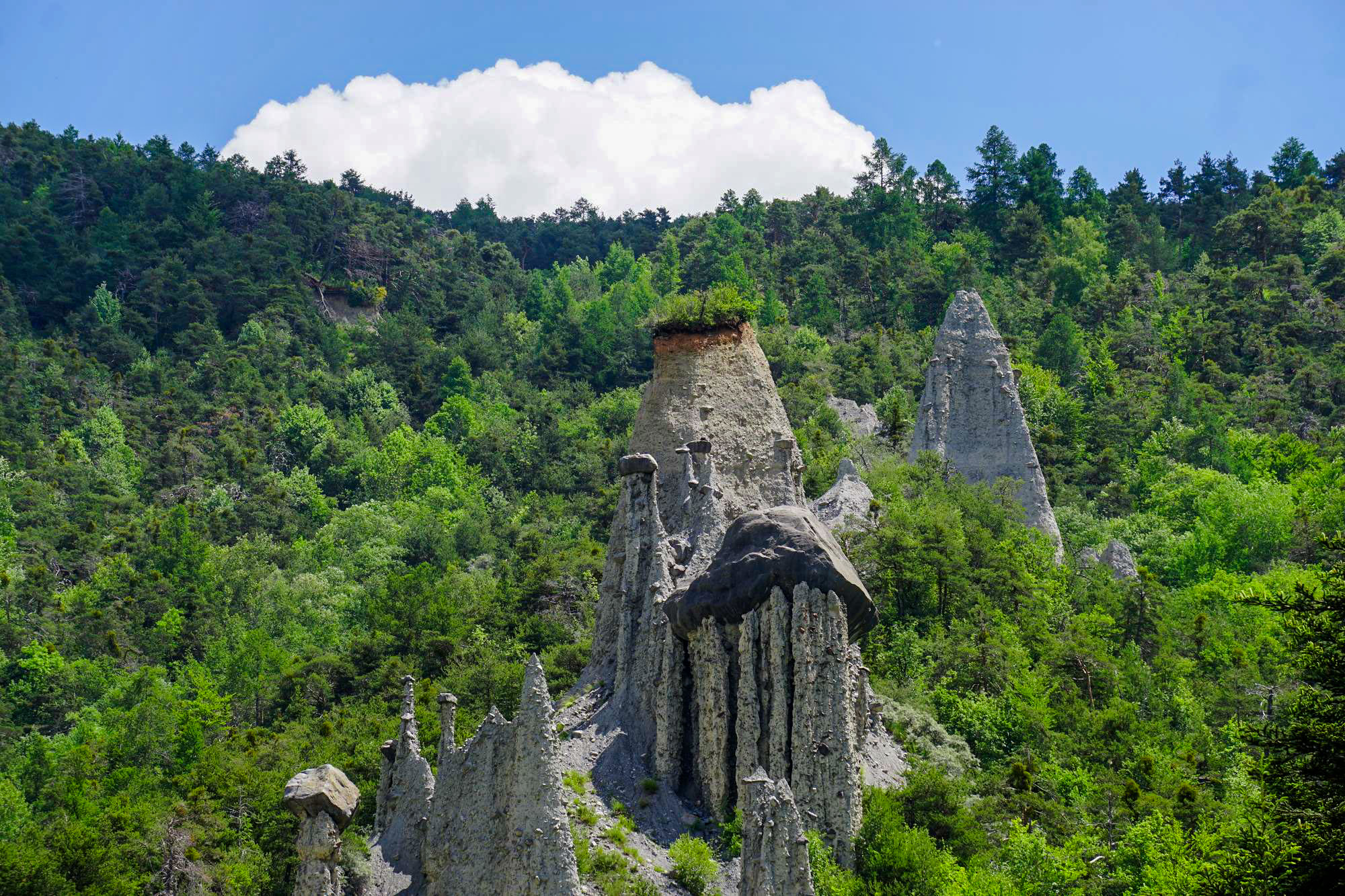
The Demoiselles Coiffées
Upon arriving at Sauze du Lake, a short stop will allow you to discover the ‘Demoiselles Coiffées’: hundreds of columns made of glacial moraines and preserved from erosion by a rocky block. Continue your stroll by stopping at the viewpoint for a magnificent view of the lake…
Serre-Ponçon Animal Park in Sauze-du-Lake
An eco-animal park, nature area, and mountain wildlife museum, the Serre-Ponçon Animal Park guarantees a family-friendly experience that will not only offer a superb view of Serre-Ponçon Lake but also allow you to witness a raptor show, with some birds flying very close to you.
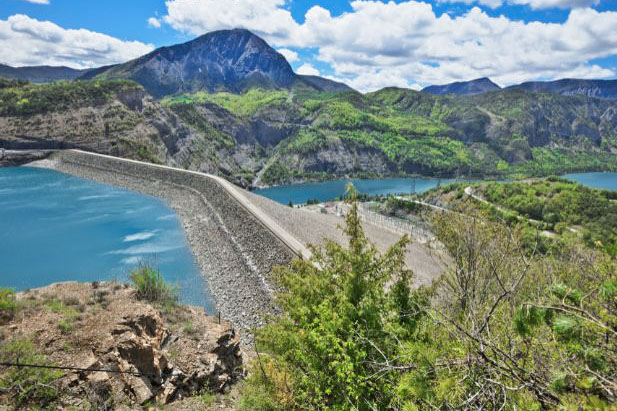
Serre-Ponçon Dam and Muséoscope du Lake in Rousset
The Serre-Ponçon Lake Muséoscope traces the history of the construction of Europe’s largest earth dam. It brings back to life the memory of submerged villages and the evolution of the department. Sound and visual staging. From the viewpoint, an unobstructed view of Europe’s largest earth dam.
Apiland Nature
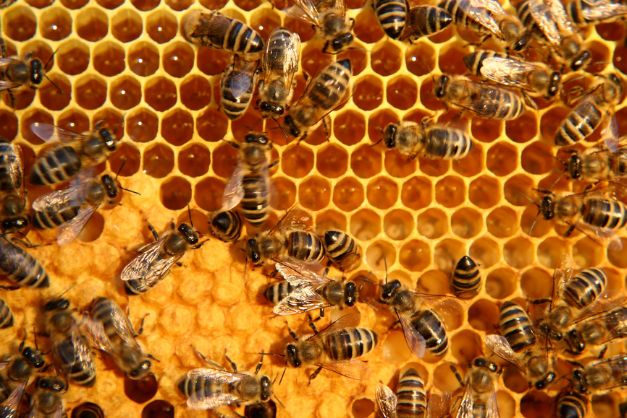
Let Lionel and Sandrine guide you into the world of bees. Apiland Thematic Museum covering 600 m². Bees will hold no more secrets for you.

A Day in Crots
Boscodon Abbey
The Boscodon Abbey is a classified historical monument. With its forest, it is one of the least polluted sites in France! Founded in 1130 by Guillaume de Montmirail, it was affiliated with the Order of Chalais in Chartreuse 12 years later and became the most important abbey of the order, under the impetus of Abbot Guigues de Revel. Classified as a historical monument in 1974, the abbey is now a masterpiece of monastic religious art, with a very pure Romanesque style, close to early Cistercian art.
Its forest is one of the largest fir and larch forests, covering 850 hectares and located between 980 and 2400 meters of altitude. Preserved by the climate, it ranks among the purest forests in France. As such, it has just obtained the “Exceptional Forest” label, which will allow it to develop innovative practices in sustainable forest heritage management and make it one of the levers for local economic development.
Picomtal Castle
A stronghold flanked by 4 13th-century towers, Picomtal Castle offers guided tours and thematic workshops.
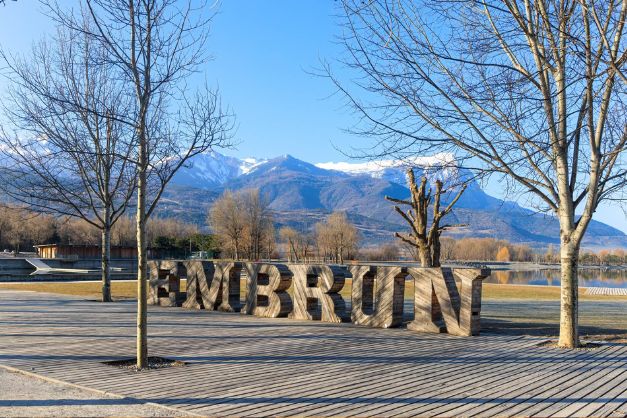
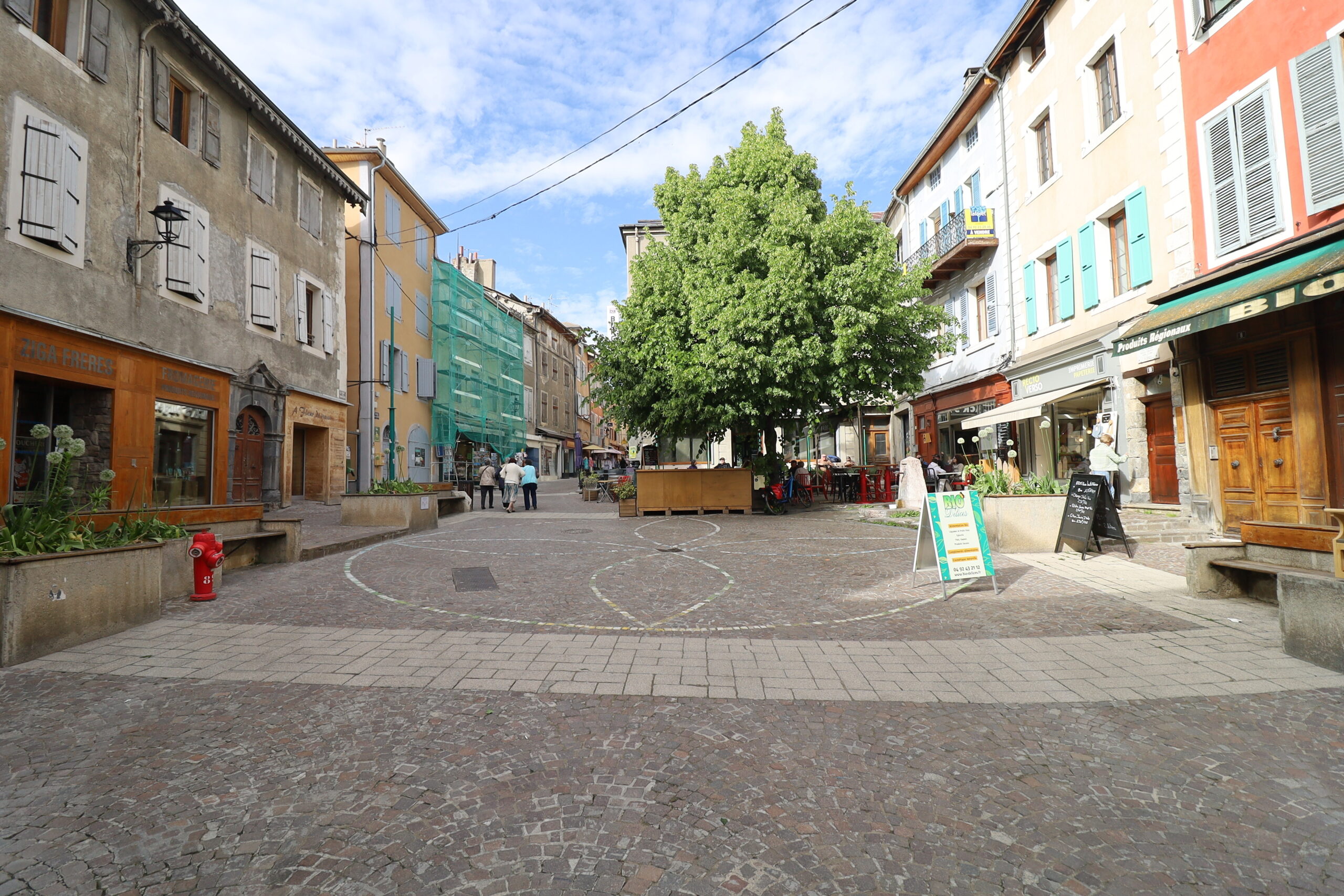
Visit Embrun, a stone’s throw from the campsite
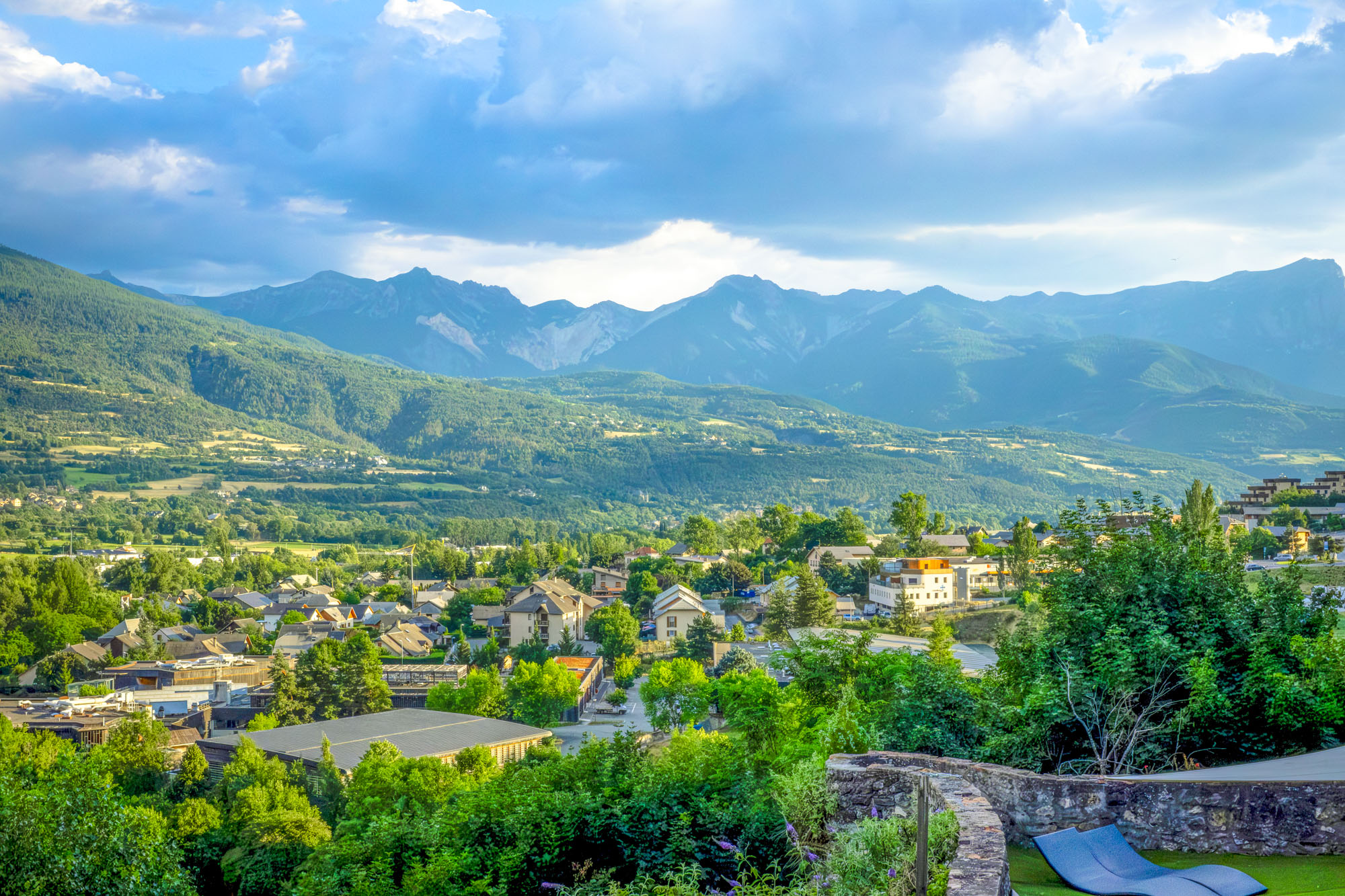
Dominating the Durance and clinging to its rock which has always protected the people of Embrun, the old city of Embrun hides many traces of its past in its winding streets and small squares. As you wander through the alleys of the old town, evidence of a rich past appears: beautiful doors with molded or sculpted panels, with openwork transoms, punctuate the rhythm of the colorful houses, pink marble fountains from the 16th century, and the bishop’s garden.
The Maison de Pays
Discover the craftsmanship of our local artisans.
The Small Museum of Great Chocolate
Reserved for food lovers. And much more: the chapels of the Cordeliers convent, the House of the Governors of Dauphiné, the Chanonges house…
The Brown Tower
A former archbishops’ keep, safe arsenal, or prison, it is now an important museum space tracing the history of the Écrins National Park. Little tip: the Brown Tower is now a Park reception point, where you will find a wealth of information.
Notre Dame de Réal Cathedral
Embrun’s first cathedral was erected with the help of Charlemagne from 810 to 826 before being destroyed by the Saracens. It was rebuilt in the 11th and 12th centuries when Romanesque art began to give way to Gothic. Nearly 500 objects constitute the treasure of Notre-Dame d’Embrun Cathedral. A treasure considered one of the most beautiful in France, with orphreys and sacerdotal vestments from the 15th and 16th centuries, reliquaries, statuettes, precious fabrics, goldsmith’s items, paintings, etc.

Discover Mont-Dauphin and its listed fort
Listed as a UNESCO World Heritage site in 2008. From 1693, Vauban built this extraordinary high-mountain stronghold from scratch on a plateau overlooking the confluence of the Guil and Durance rivers, at the mouth of the Queyras valley and the Col de Vars.
The Mont-Dauphin Fort, combining civil and military elements, was designed to accommodate nearly 2,000 people within a small garrison town, with a gridded and regular urban layout.
A remarkable and entirely preserved ensemble, Mont-Dauphin is the archetype of a mountain stronghold, with its arsenal, two powder magazines, barracks, ramparts, and its church, which remained unfinished.
You will also find its arts and crafts center and numerous shows: inquire at Le Petit Liou reception.
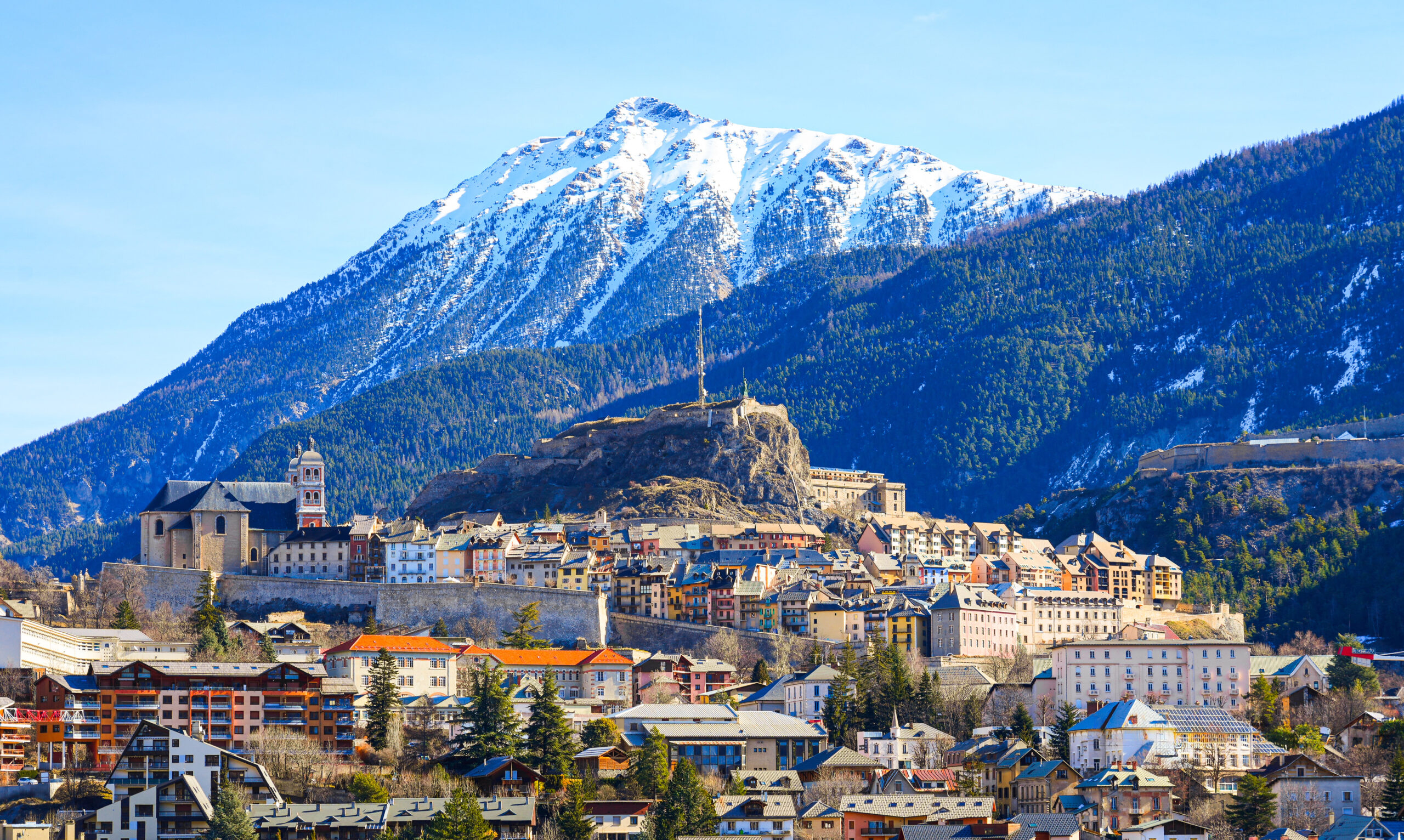
At an average altitude of 1326 m, Briançon is one of Europe’s highest cities. The upper town is fortified by Vauban (classified as a World Heritage site by UNESCO in 2008). Strolling through the city will allow you to discover its many architectural and historical treasures, as well as its daily animation and numerous museums.
Exploring Briançon and its exceptional heritage
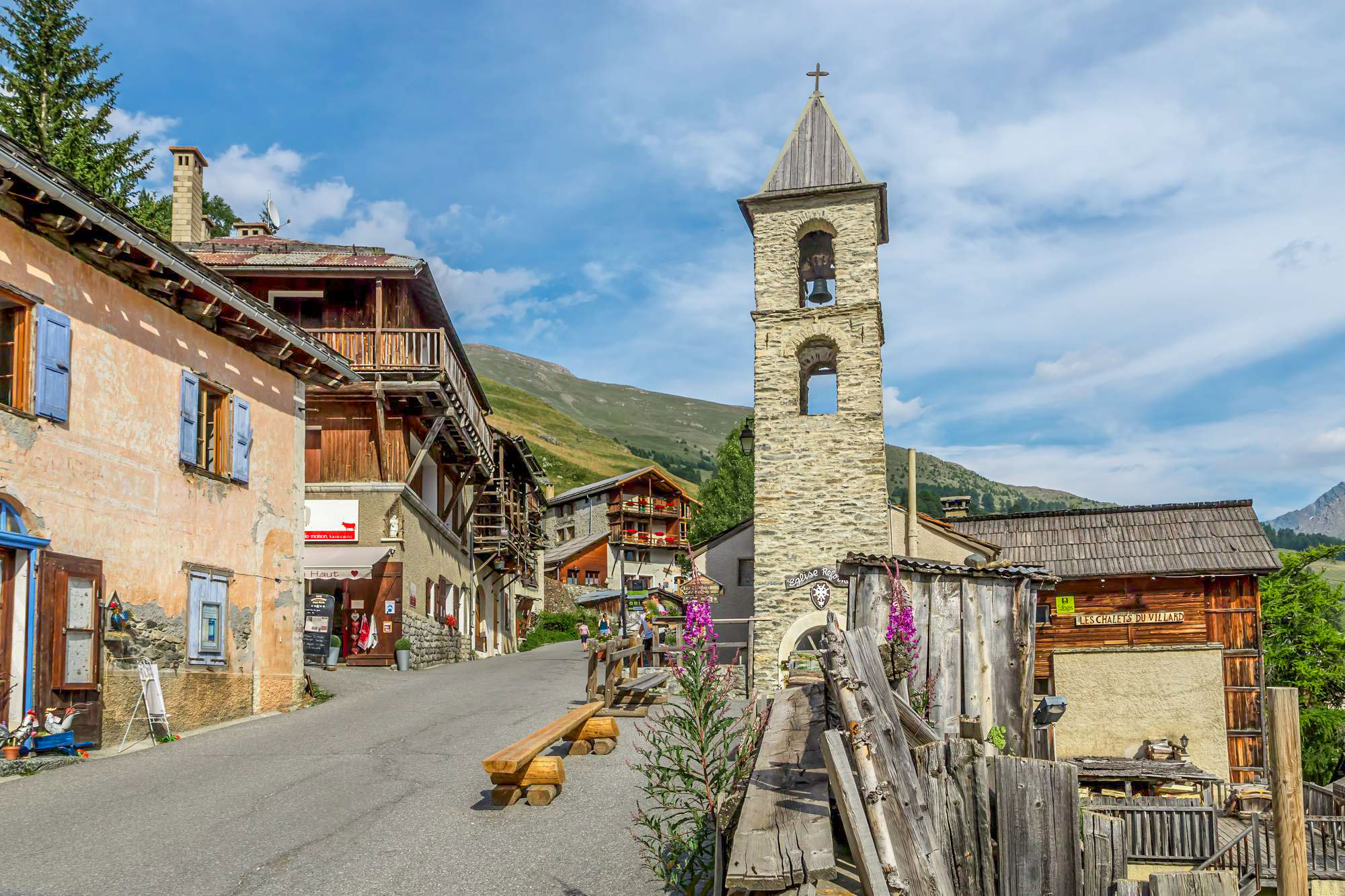
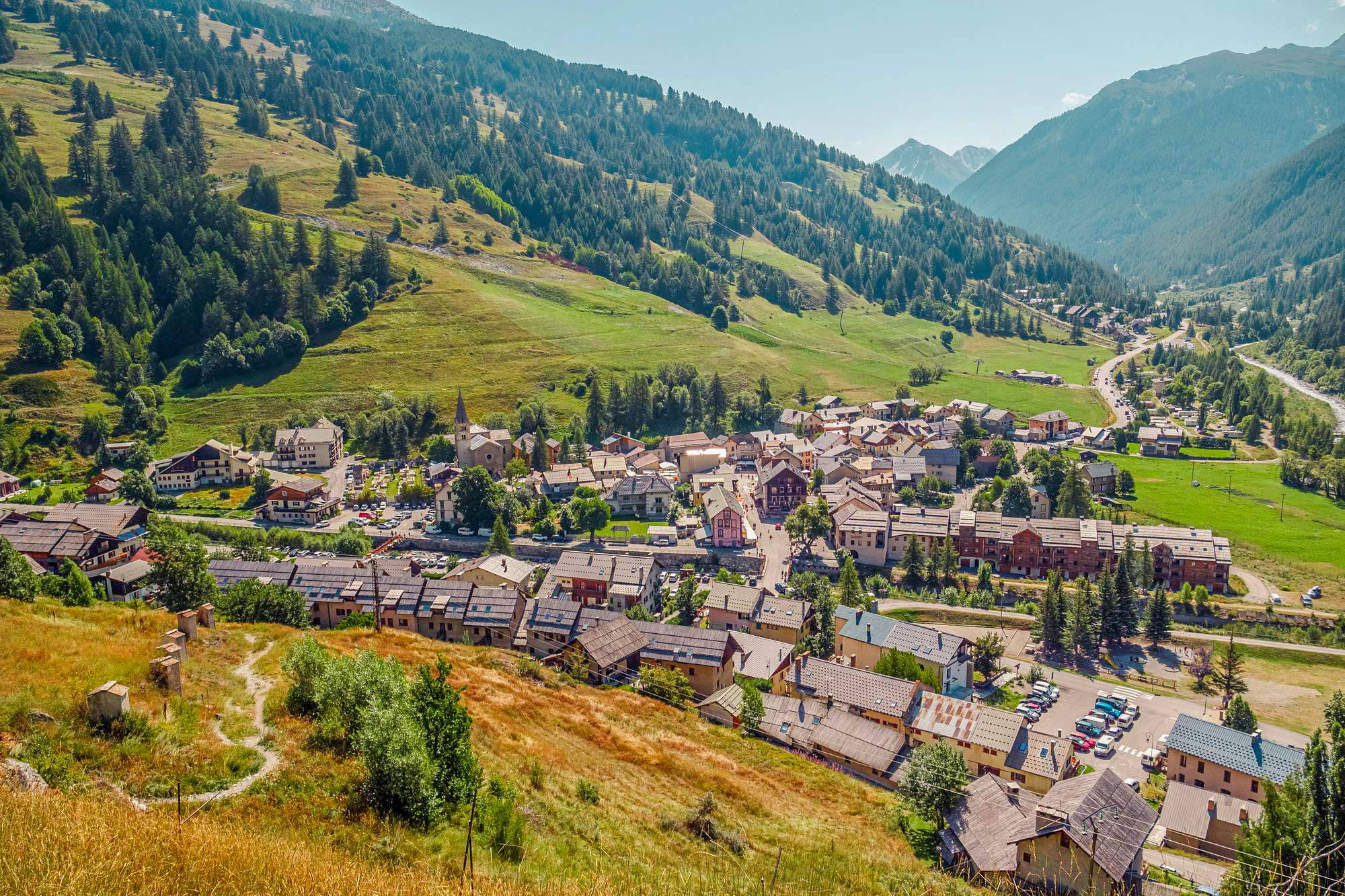
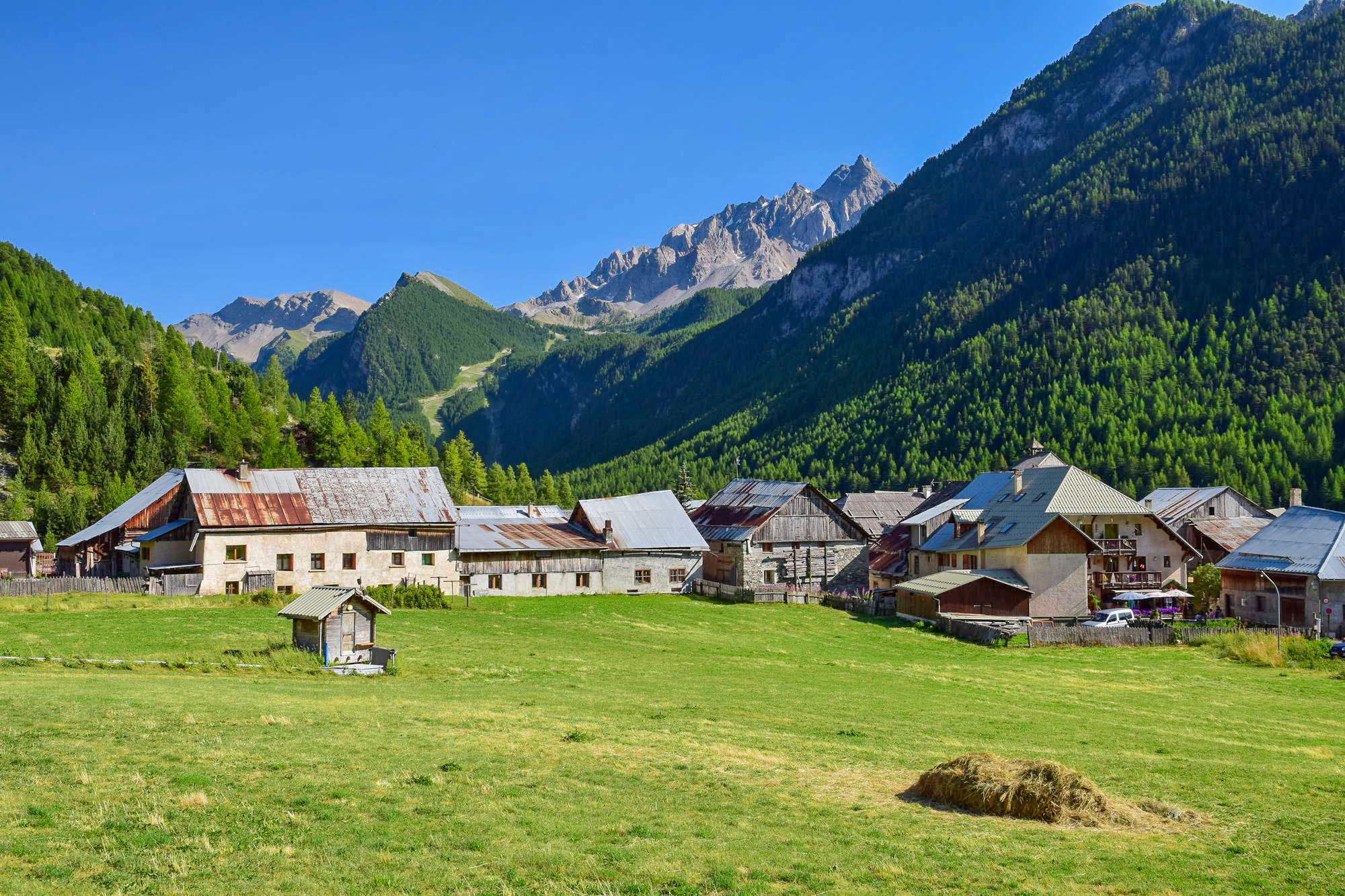
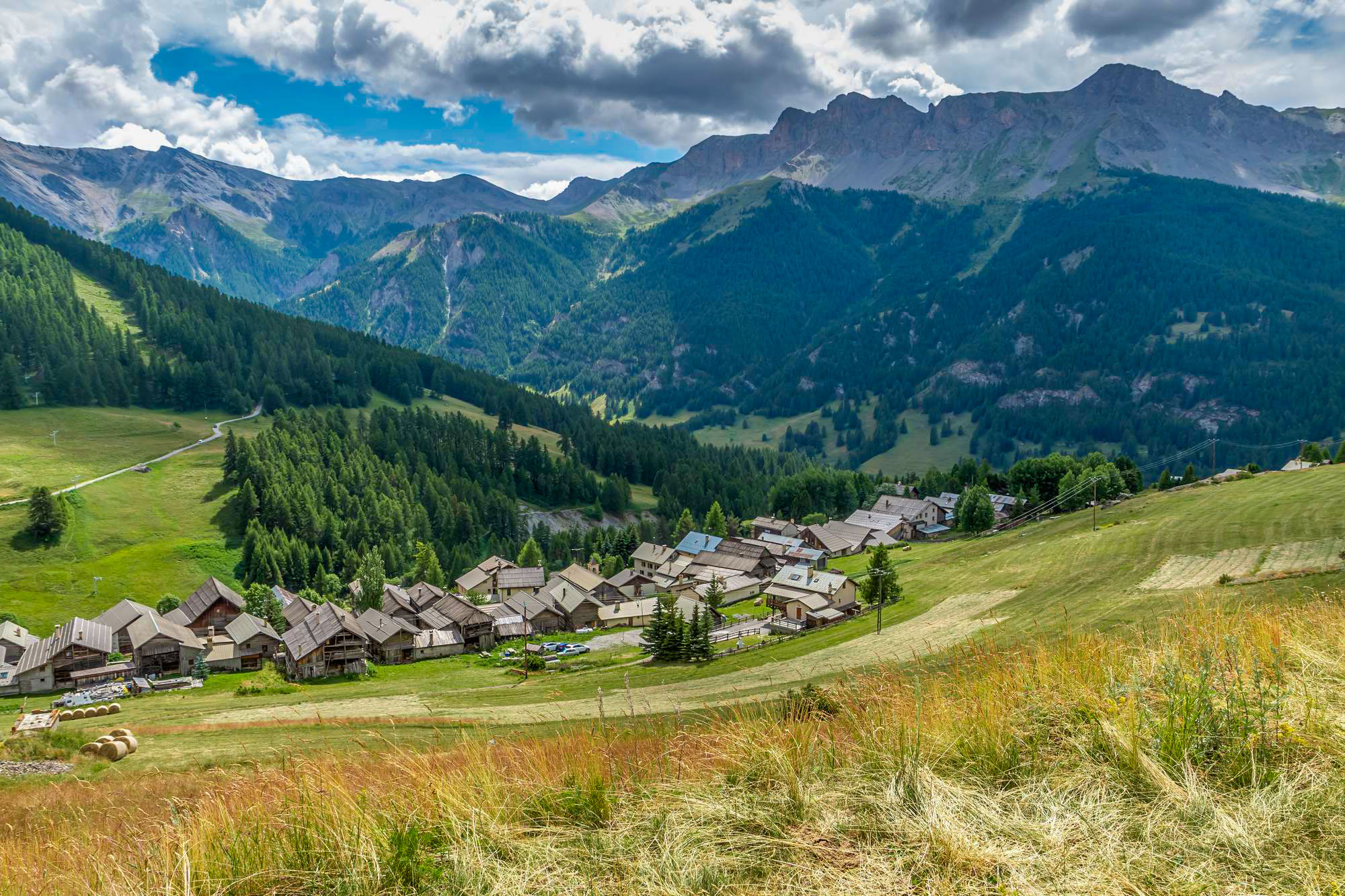
Tourism in the Queyras villages
The Queyras Regional Natural Park is a small jewel of wild and preserved nature; its hamlets and villages are nestled amidst high mountain landscapes of rare beauty.
Saint-Véran
Europe’s highest village… Log chalets, sundials, traditional larch fountain, Saint-Véran, Europe’s highest village, welcomes you at an altitude of 2040 m. Its preserved architecture (including vehicles!) offers a true living museum of the region, retracing traditions that are still maintained. Don’t miss the museum houses.
Ceillac
Not to be missed in Ceillac: Maison Chabrand, the only farm classified as a historical monument in the Hautes-Alpes, as well as the Museum of Time.
Molines
Preservation of artisanal and rural tradition.
Aiguilles
You will find numerous architectural treasures as well as original architecture inspired by South American emigration.
Château Ville Vieille
The hamlets nestled in immense larch forests can be discovered on walks; you will also find:
Les Frissons de la Terre: a geological space, which hosts about fifteen modules to facilitate the discovery of each episode of the birth of the Alps. More than half of the equipment is interactive. It sometimes appeals to the visitor’s tactile, auditory, and olfactory senses.
The House of Crafts, which brings together more than 30 artisans and farmers from Queyras who offer their creations and products for direct sale.
Abriès
A small museum of yesteryear that is worth a visit. Don’t miss the traditional activities and local products of the House of Costume.
Discover fishing spots, sports activities & cycling near the campsite
-
 Read more: embrunais sports activities
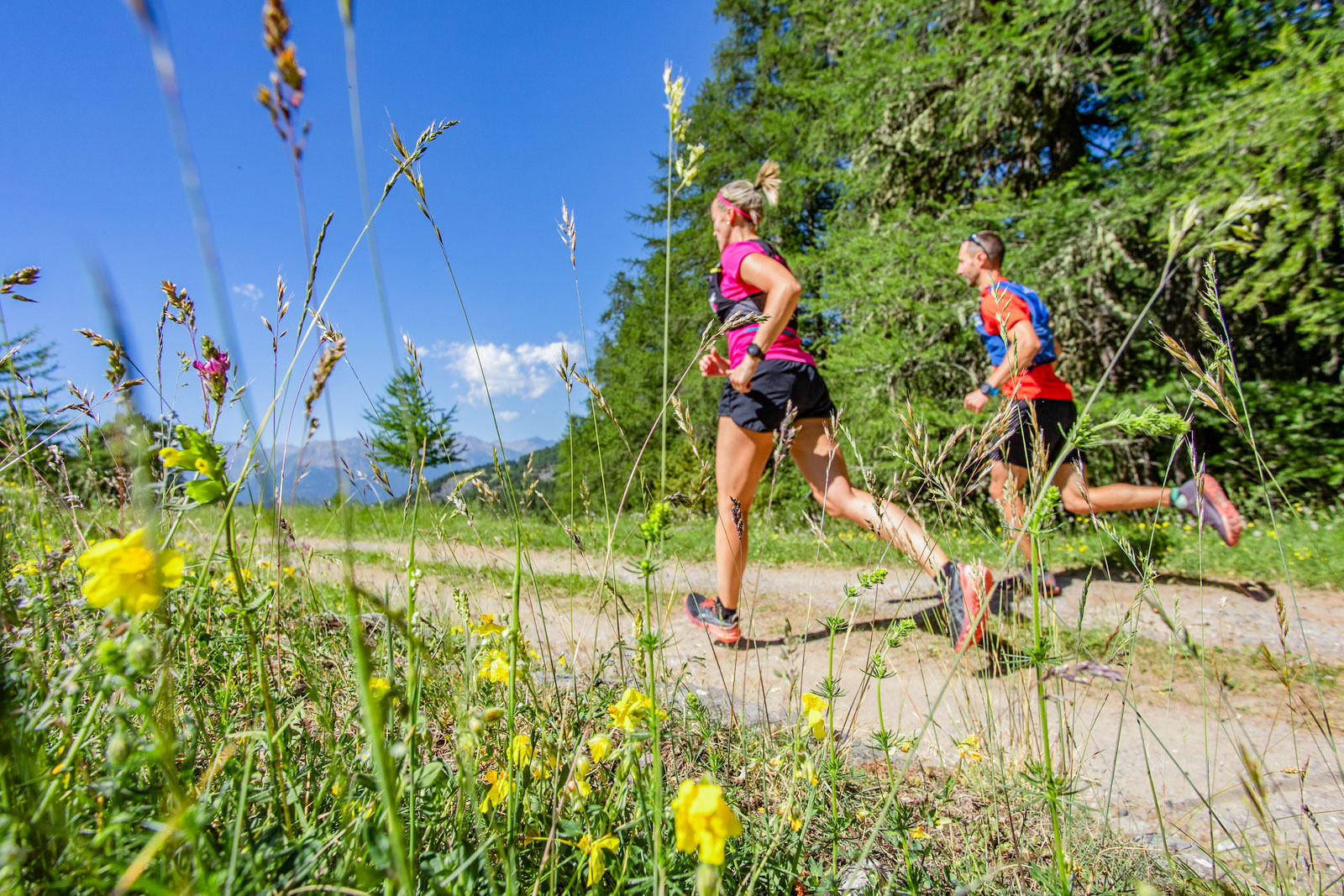
Sports Activities

-
Read more: camping nature peche
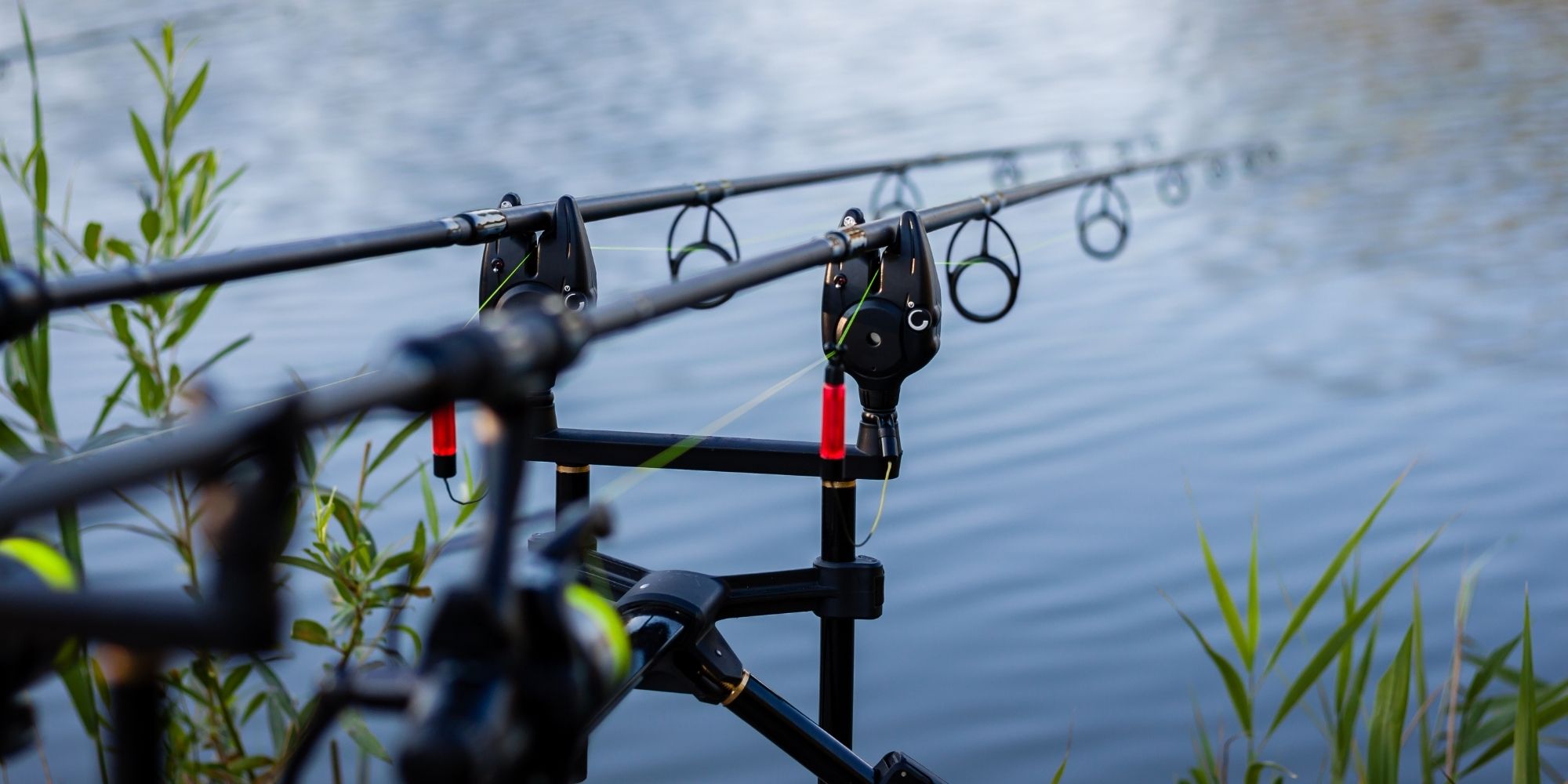
Nature and Fishing
-
Read more: bike camping
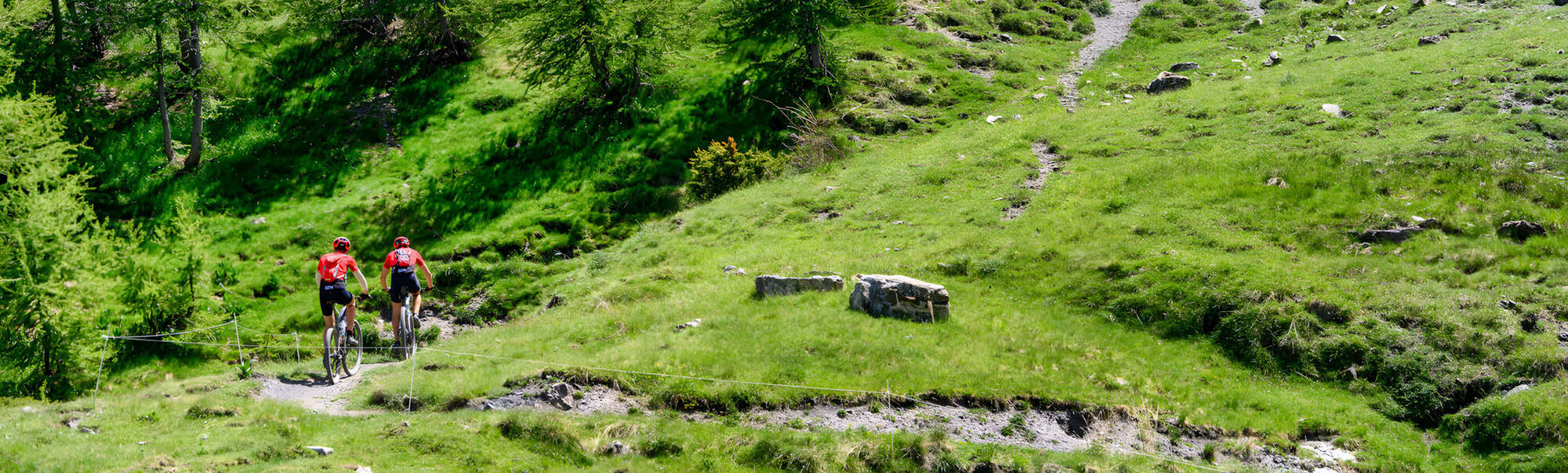
Cycling Paradise